
A Comprehensive Guide to Ontario Asphalt Installation: What You Need to Know


Understanding Asphalt Installation in Ontario
Asphalt installation is a critical process for developing durable roads, driveways, and parking lots in Ontario. With the province's unique climate, it's essential to understand the specific requirements for successful asphalt application. Whether you're a homeowner or a business owner, this guide will help you navigate the complexities of asphalt installation.
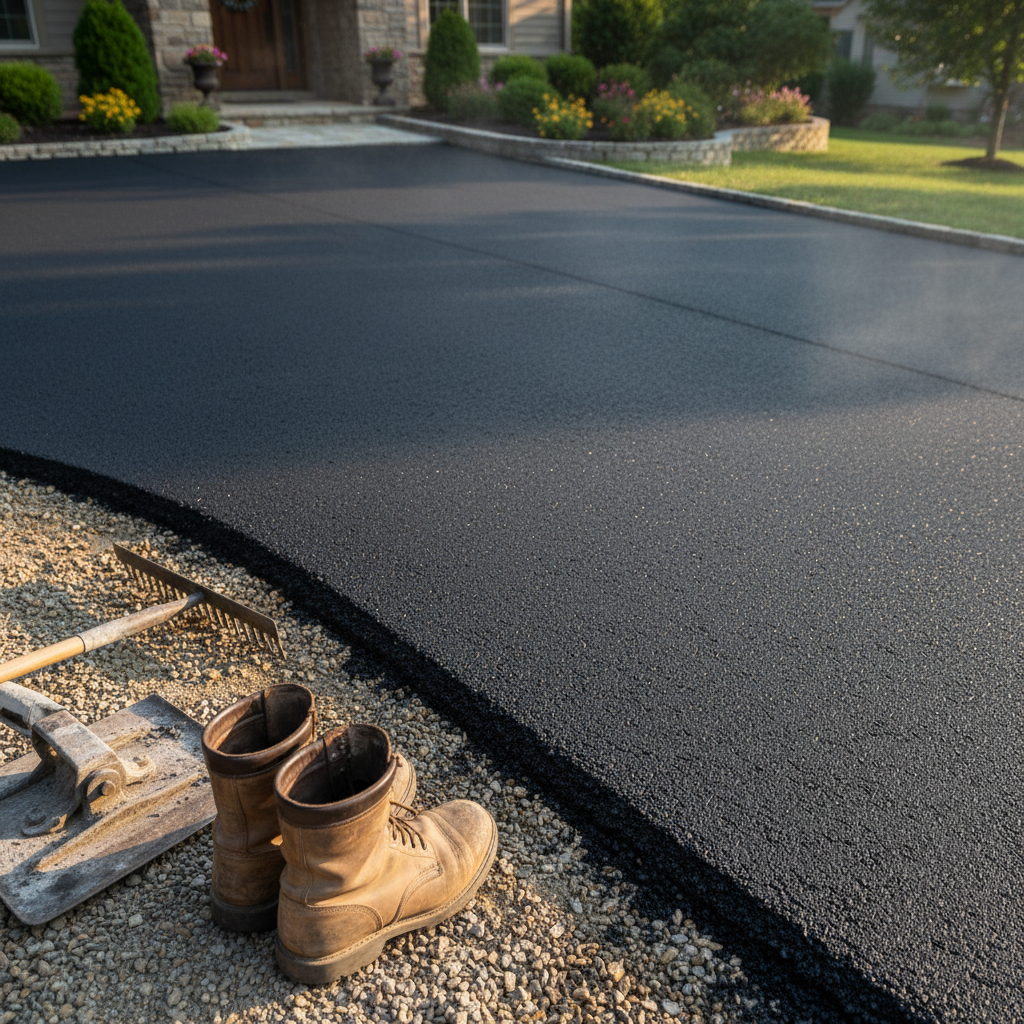
The Importance of Proper Planning
Before starting any asphalt project, proper planning is crucial. This involves assessing the site, understanding the load-bearing requirements, and determining the right mix of materials. Consult with experienced contractors to evaluate the soil condition and drainage to ensure long-lasting results.
Planning also includes obtaining necessary permits and adhering to local regulations. In Ontario, compliance with municipal guidelines is mandatory, and failing to do so can lead to costly fines or delays.
Choosing the Right Materials
Selecting the appropriate asphalt mix is vital for the project's success. Ontario's climate, characterized by harsh winters and warm summers, demands a mix that can withstand temperature fluctuations. Consider using polymer-modified asphalt for enhanced durability.
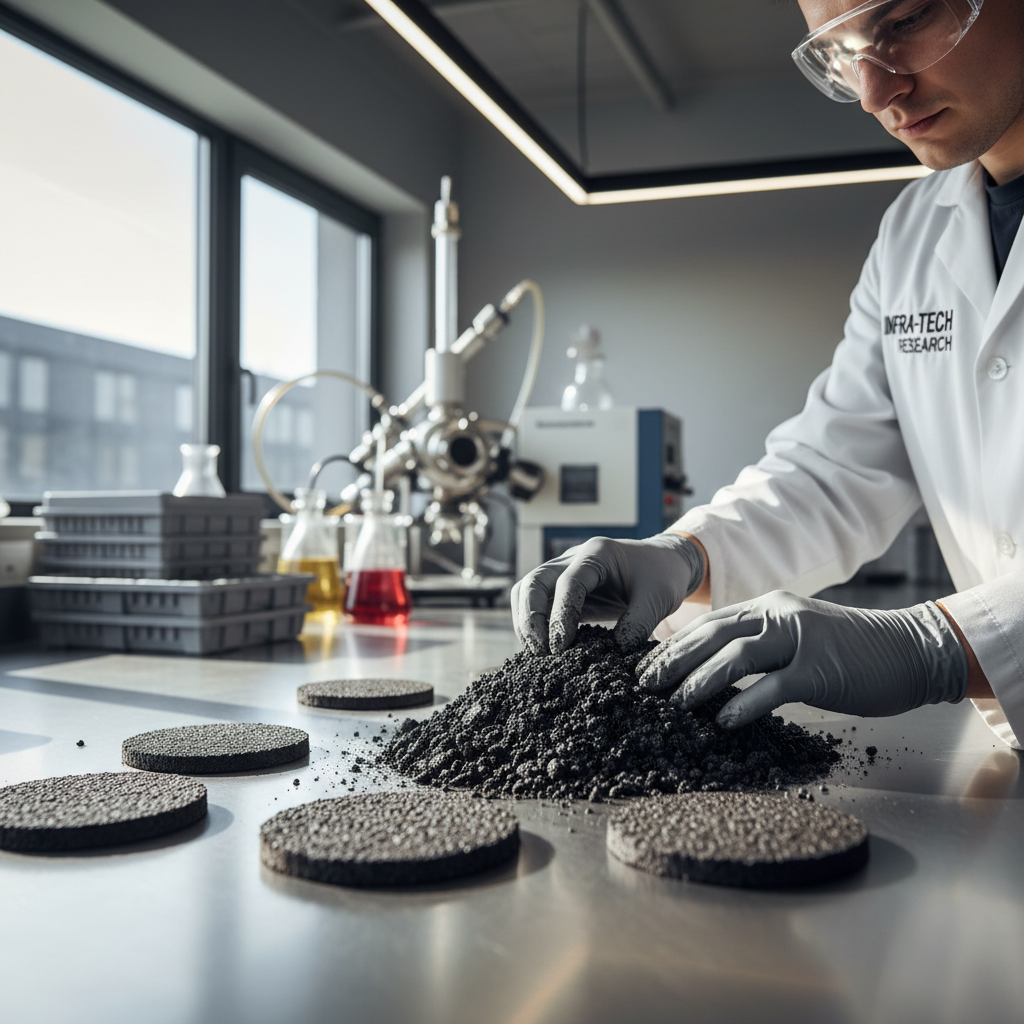
Additionally, the thickness of the asphalt layer plays a significant role in its longevity. Typically, a thickness of 2-3 inches is recommended for residential driveways, while commercial areas may require more substantial layers.
The Installation Process
Site Preparation
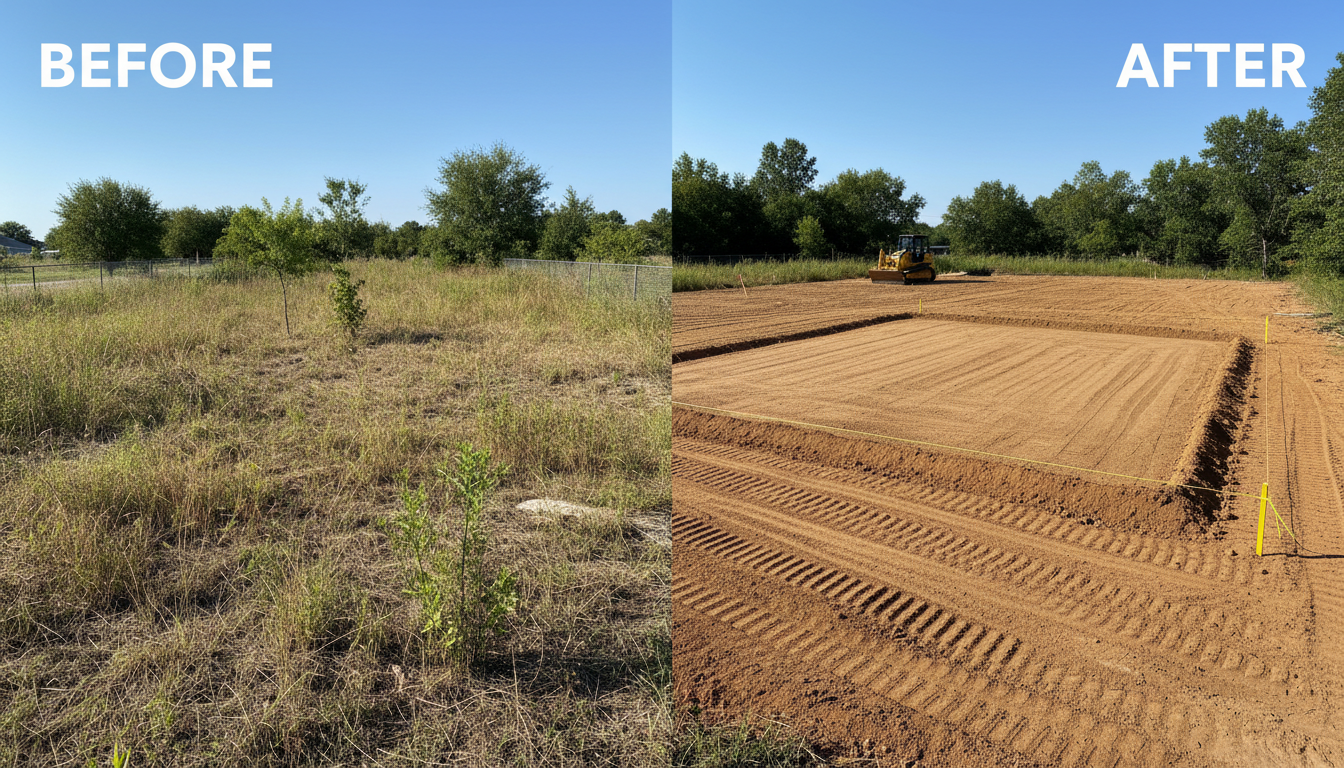
Proper site preparation is the foundation of any successful asphalt installation. This involves clearing the area of debris, leveling the ground, and installing a stable sub-base. A well-prepared site ensures the asphalt layer remains even and resists cracking.
Laying and Compacting the Asphalt
Once the site is ready, the asphalt is laid using specialized machinery. It's crucial to ensure even distribution and proper compaction to eliminate air pockets. Compaction is typically done with a heavy roller, creating a smooth and durable surface.
Maintenance and Longevity
Regular Maintenance
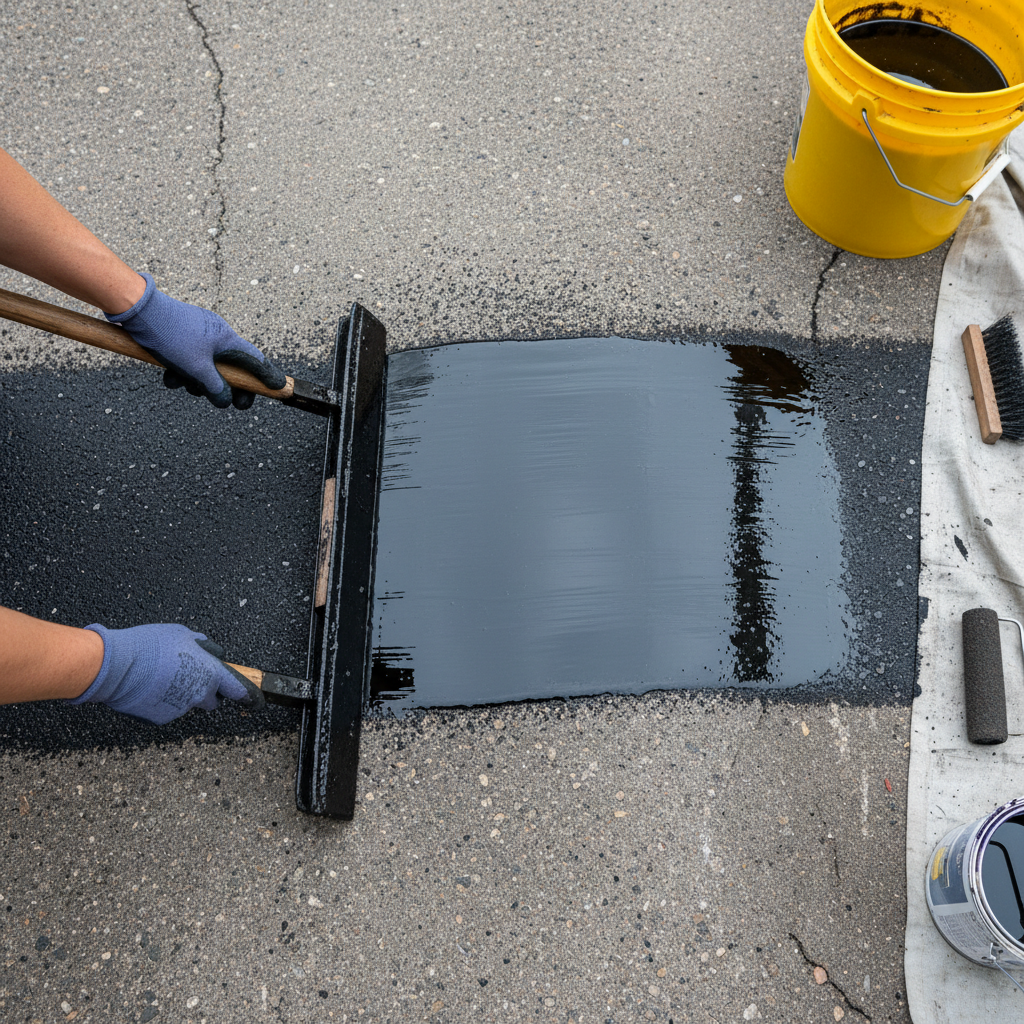
Regular maintenance is key to preserving the quality of your asphalt surface. This includes sealing cracks, cleaning debris, and applying sealants every few years to protect against weather damage. Effective maintenance can significantly extend the lifespan of your asphalt pavement.
Handling Repairs
Despite best efforts, wear and tear are inevitable. Prompt repairs, such as patching potholes and addressing drainage issues, are essential to prevent further deterioration. Collaboration with professional contractors ensures the repairs are done correctly and efficiently.
By following these guidelines, you can ensure a smooth and durable asphalt installation that stands the test of time in Ontario's challenging climate.