
Asphalt Paving vs. Concrete: Which is Better for Your Business?


Understanding the Basics
When it comes to choosing the right material for paving, business owners often find themselves torn between asphalt and concrete. Both have their unique advantages and potential drawbacks. Making an informed decision requires a thorough understanding of each option's properties and how they align with your business needs.
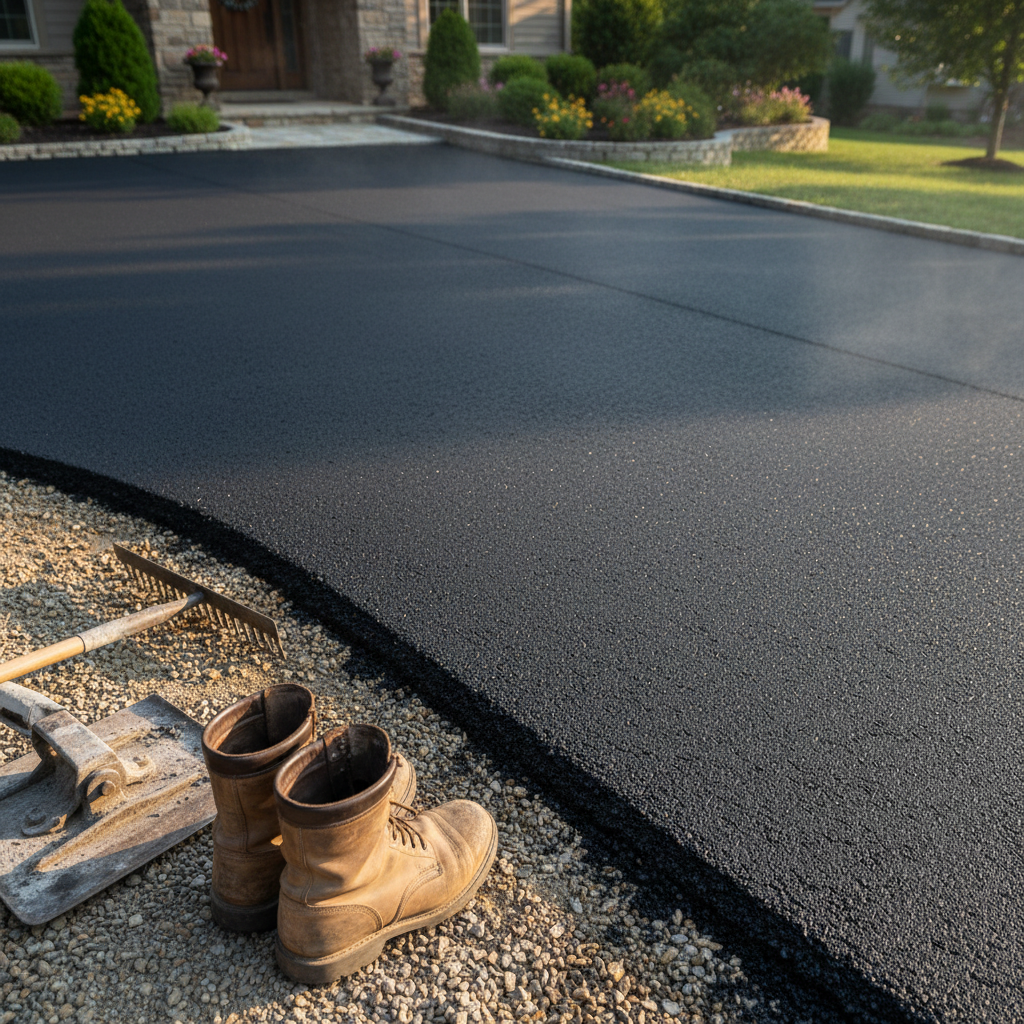
Asphalt is known for its smooth finish and quick installation process. It's a popular choice for many commercial properties due to its cost-effectiveness. On the other hand, concrete offers durability and a long lifespan, making it an attractive option for those looking for a more permanent solution.
Cost Considerations
One of the primary factors to consider is the cost. Generally, asphalt is less expensive upfront compared to concrete. This can be appealing for businesses looking to minimize initial expenses. However, it's important to consider the long-term costs associated with maintenance and repairs.
Concrete, while initially more costly, tends to have lower maintenance costs over time. Its durability reduces the frequency of repairs, potentially leading to savings in the long run. Analyzing your budget and long-term financial plans can help determine which option is more feasible for your business.
Durability and Maintenance
Durability is a significant consideration for any paving project. Asphalt surfaces are typically more flexible, which allows them to withstand varying temperatures without cracking. However, they may require more frequent maintenance, including sealcoating and patching.
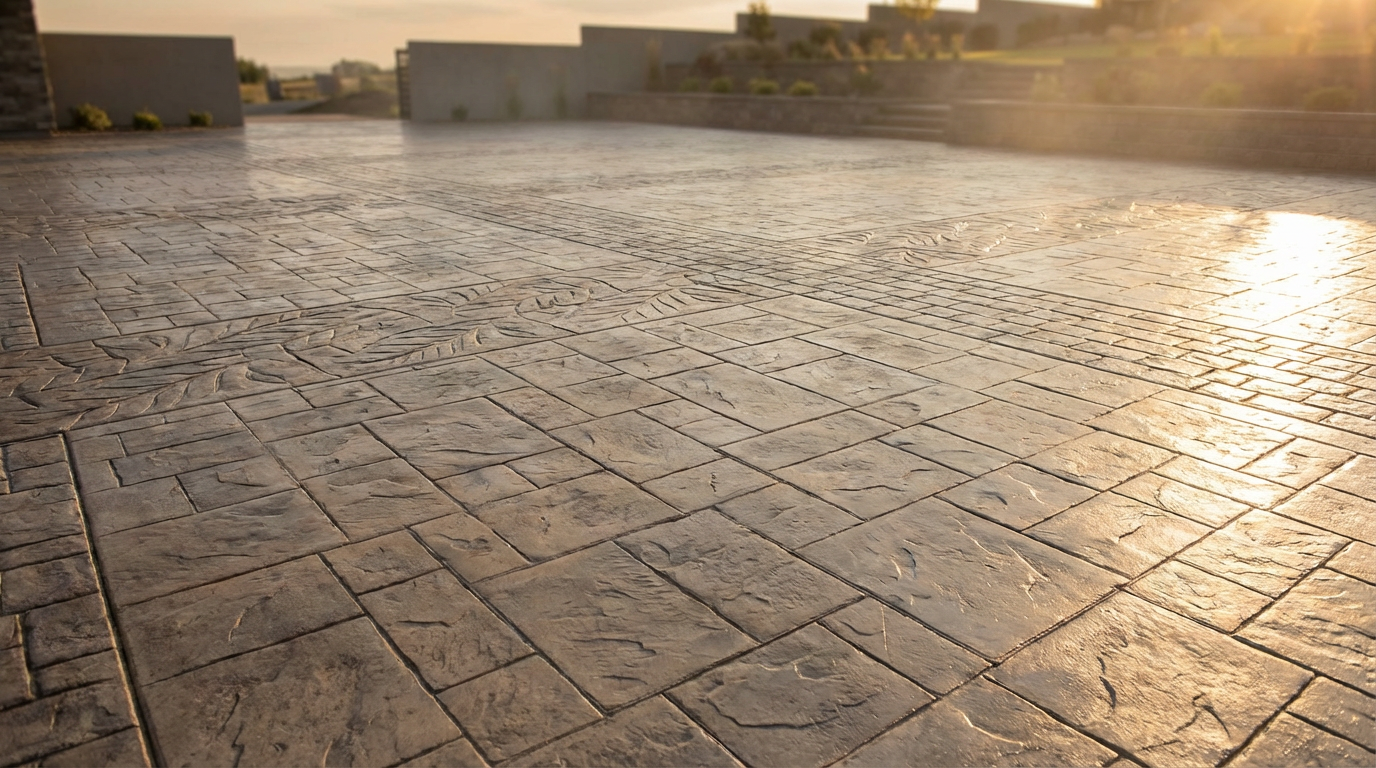
Concrete, on the other hand, is known for its strength and ability to handle heavy loads. This makes it an ideal choice for areas with high traffic or heavy equipment. Although it's more resistant to weather and wear, concrete can still crack over time and may require occasional repairs.
Climate and Environmental Impact
The climate of your location can significantly impact the performance of asphalt and concrete. Asphalt can soften in extreme heat, leading to deformations, while concrete may crack in freezing temperatures. Consider your local weather patterns when making a decision.
Environmental impact is another important factor. Asphalt is petroleum-based, which can raise concerns about sustainability. Concrete, although more eco-friendly, involves energy-intensive production processes. Weighing these environmental aspects can guide you toward a more sustainable choice.

Appearance and Aesthetics
Beyond functionality, the appearance of your paving material can influence the overall aesthetic of your business premises. Asphalt provides a sleek, uniform look that is generally easy to repair, maintaining a consistent appearance.
Concrete offers more versatility in design, with options for stamping, coloring, and texturing. This allows for more creative freedom in achieving a specific look that aligns with your brand identity.
Making the Right Choice
Ultimately, the decision between asphalt and concrete should be based on a thorough evaluation of your business's specific needs, budget constraints, and long-term goals. Both materials have their unique benefits and can be tailored to suit different environments and requirements.
- Consider the initial and long-term costs.
- Evaluate the durability and maintenance requirements.
- Factor in the climate and potential environmental impacts.
- Think about the desired appearance and aesthetics.
By weighing these factors carefully, you can choose the paving material that will best support your business and enhance its exterior appeal.