
Common Asphalt Paving Myths Debunked: What Every Homeowner Should Know


Understanding the Basics of Asphalt Paving
Asphalt paving is a popular choice for driveways and roads due to its durability and cost-effectiveness. However, several myths about asphalt paving can lead to misconceptions. It's essential for homeowners to have accurate information to make informed decisions.
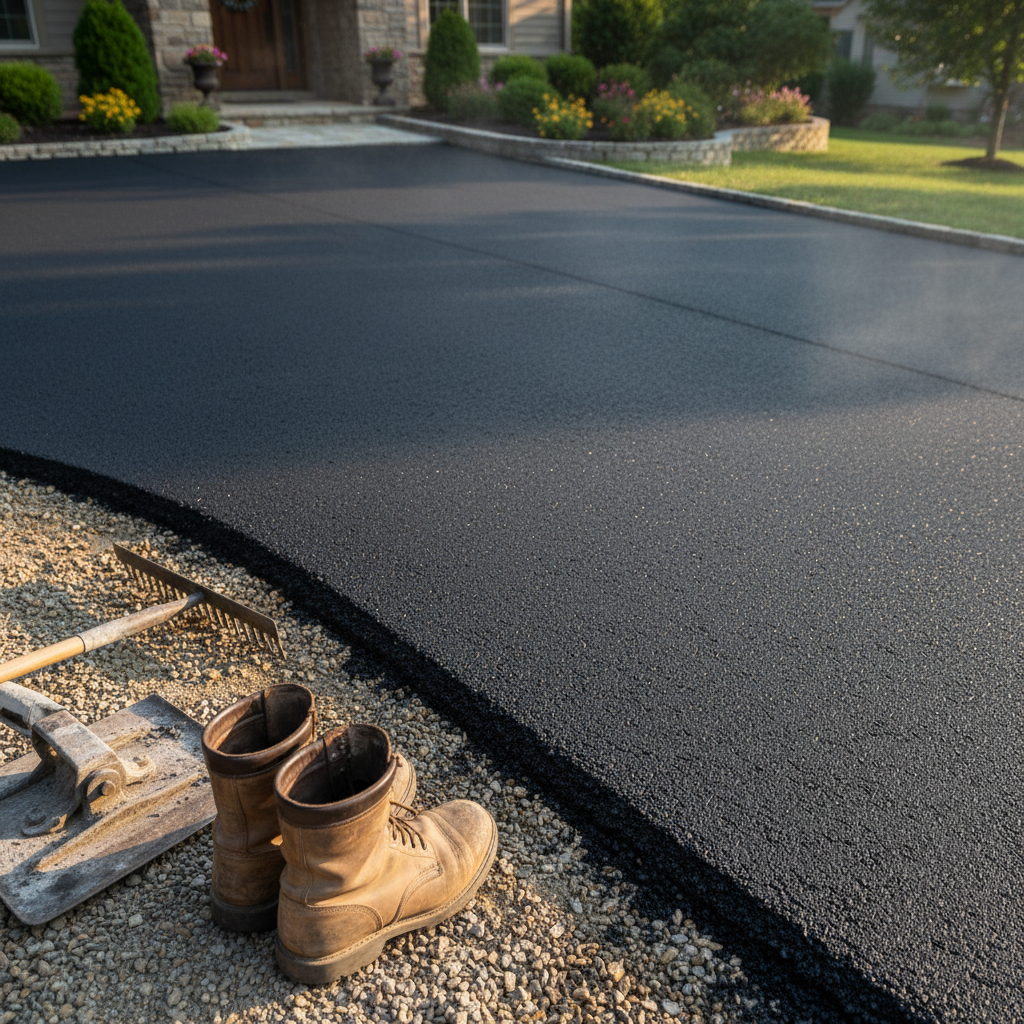
Myth 1: Asphalt Is Not Eco-Friendly
Many people believe that asphalt is harmful to the environment. In reality, asphalt is one of the most recycled materials in the world. The process of recycling asphalt involves grinding up old asphalt and reusing it, which reduces the need for new materials and minimizes waste.
Moreover, advancements in asphalt technology have made it possible to produce more sustainable and eco-friendly options. Using recycled asphalt can significantly lower the carbon footprint of paving projects, making it an environmentally conscious choice.
Myth 2: Asphalt Is High Maintenance
Another common misconception is that asphalt requires constant maintenance. While it's true that all surfaces require some level of upkeep, asphalt is relatively low maintenance compared to other materials. Regular cleaning and periodic sealing can extend its lifespan significantly.
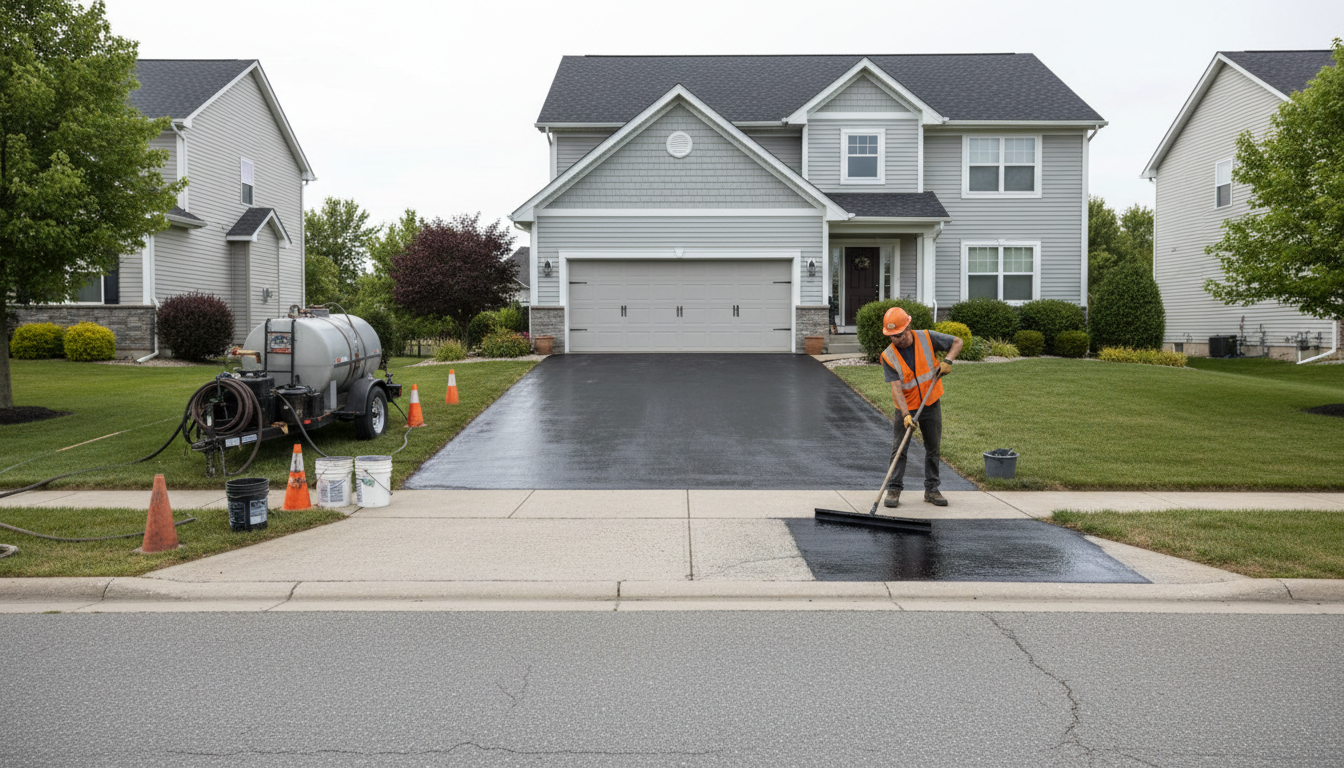
Sealing your asphalt driveway every few years helps protect it from the elements, such as rain, snow, and UV rays. Timely repairs of small cracks can also prevent more extensive damage, saving you money in the long run.
Addressing Common Concerns
Myth 3: Asphalt Doesn't Last Long
Some homeowners worry that asphalt won't last as long as other paving materials. However, with proper installation and maintenance, asphalt can last 20 years or more. The key is to ensure that the base is well-prepared and that the asphalt is laid at the appropriate thickness for the expected traffic load.
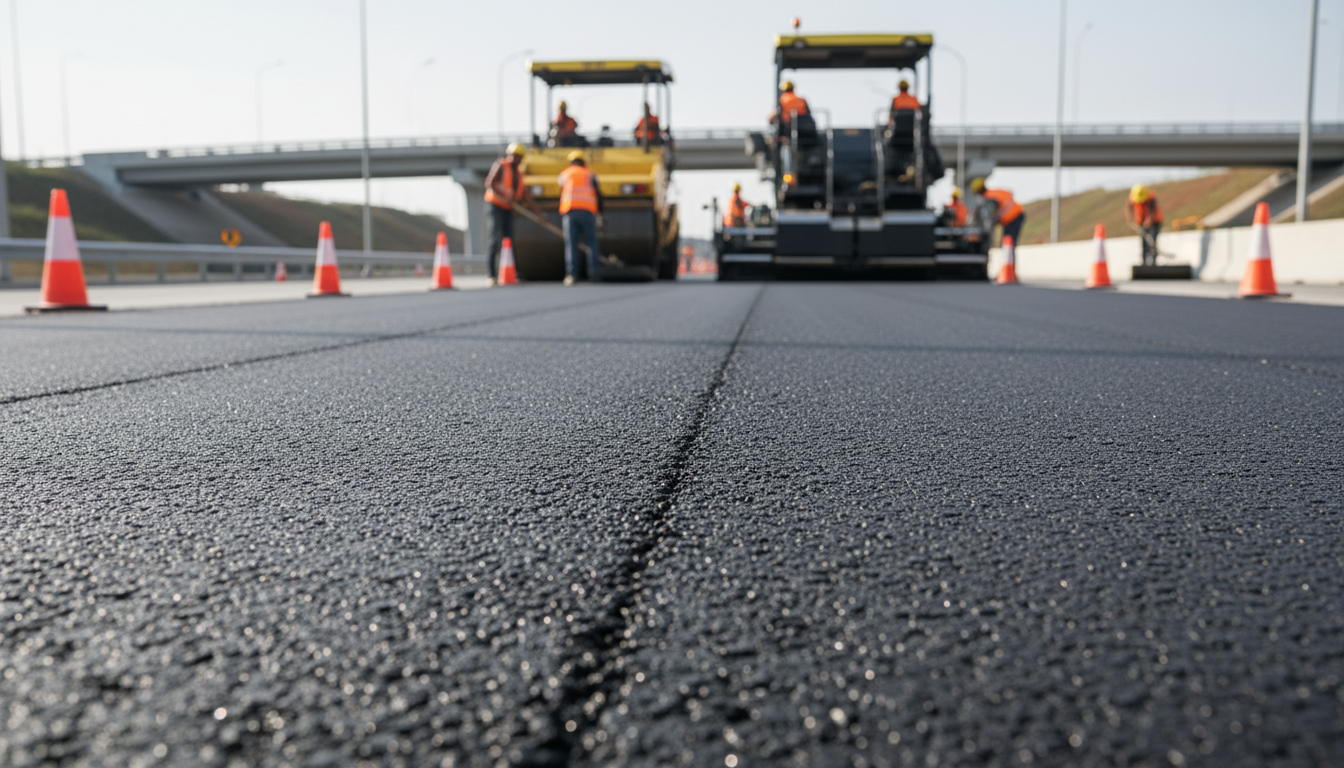
Proper drainage and regular care can also enhance the longevity of asphalt, making it a reliable and long-lasting choice for driveways and pathways.
Myth 4: All Asphalt Is the Same
Not all asphalt is created equal. There are different types of asphalt mixtures designed for various applications and climates. For example, some mixtures are designed to withstand extreme temperatures, while others are better suited for heavy traffic areas.
Consulting with a professional paving contractor can help you choose the right type of asphalt for your specific needs, ensuring optimal performance and durability.
Making Informed Decisions
By debunking these common myths, homeowners can better understand the benefits of asphalt paving. It's a versatile, sustainable, and cost-effective option that, when properly maintained, can provide many years of reliable service.
Whether you're installing a new driveway or replacing an old one, having accurate information will help you make the best decision for your home and the environment. Don't let myths deter you from considering asphalt as a viable paving solution.