
Comparing Asphalt and Concrete: Which is Best for Your Commercial Property?


Introduction to Asphalt and Concrete
When it comes to choosing the right material for your commercial property's pavement, the decision often boils down to two primary contenders: asphalt and concrete. Both materials have their pros and cons, making it essential to understand their characteristics before making a choice. This guide will help you compare these options to determine which is best for your needs.
Durability and Lifespan
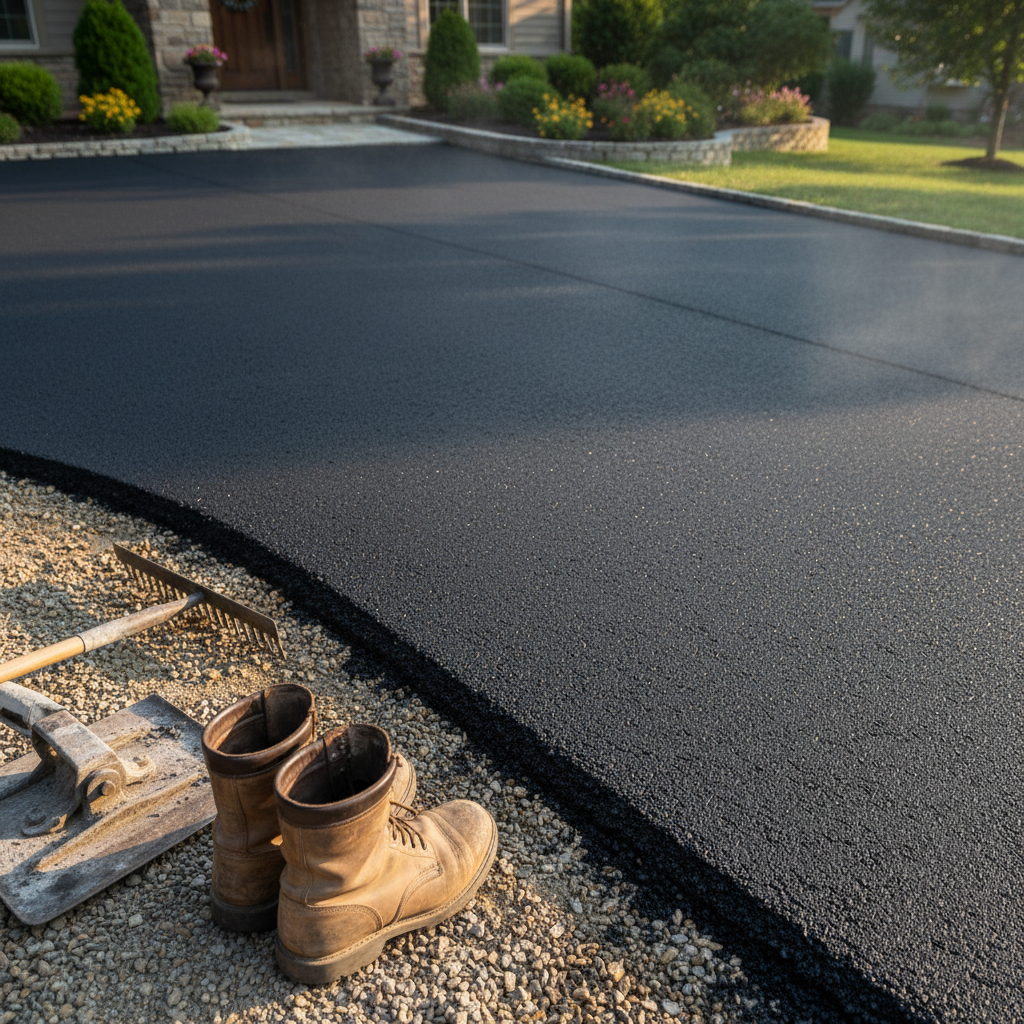
One of the most critical factors to consider is the durability and lifespan of the materials. Concrete is known for its long-lasting nature, often lasting 30 to 40 years with proper maintenance. On the other hand, asphalt typically lasts about 20 to 30 years. While concrete generally offers a longer lifespan, it is also more susceptible to cracking in colder climates.
Maintenance Requirements
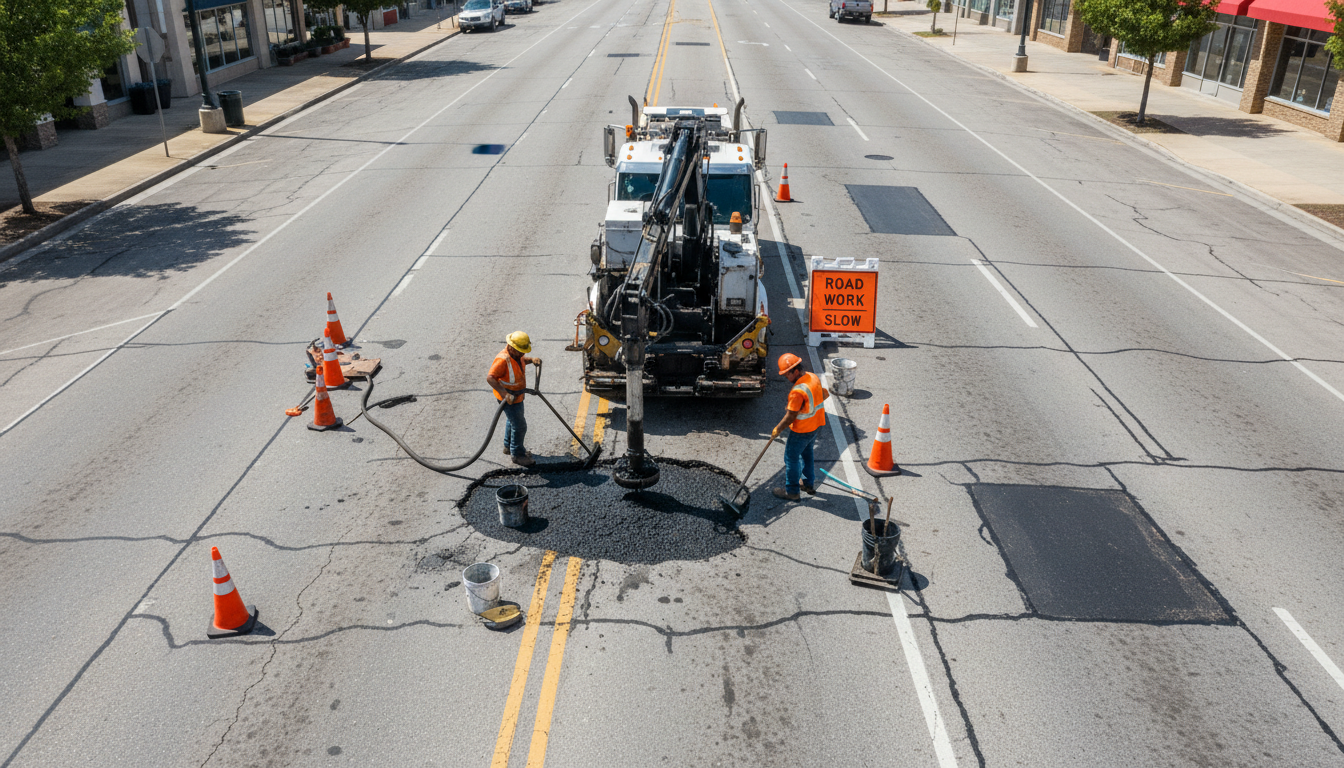
Maintenance is another significant consideration. Asphalt requires regular sealing every few years to maintain its integrity, whereas concrete requires less frequent maintenance. However, when repairs are needed, asphalt is generally easier and more cost-effective to fix compared to concrete.
Cost Considerations
Cost is always a crucial factor in any construction project. Generally, asphalt is less expensive to install than concrete, making it a popular choice for budget-conscious property owners. However, it's essential to factor in the long-term maintenance costs, which can make concrete a more economical option over time.
Environmental Impact
Both materials have environmental considerations. Asphalt is a petroleum-based product, which raises concerns about its ecological impact. Concrete, while more environmentally friendly in terms of emissions, requires energy-intensive production methods. Recycling options are available for both materials, with asphalt being 100% recyclable.

Aesthetic Appeal
The appearance of your pavement can significantly impact the overall look of your commercial property. Concrete offers more versatility in terms of design, allowing for various textures and colors. Asphalt, while more limited in design options, provides a classic and clean look.
Weather Resistance
Weather conditions can also play a crucial role in your decision. Asphalt tends to perform better in colder climates due to its flexibility, while concrete is better suited for warmer areas where it can resist heat-related expansion. Consider your location's climate when deciding between the two materials.
Conclusion
Ultimately, the choice between asphalt and concrete will depend on various factors, including budget, climate, maintenance preferences, and aesthetic desires. By weighing the pros and cons of each material, you can make an informed decision that enhances the functionality and appearance of your commercial property.