
Eco-Friendly Asphalt Solutions in Canada: A Sustainable Approach


The Rise of Eco-Friendly Asphalt in Canada
As the world shifts towards sustainable practices, Canada is making strides in incorporating eco-friendly asphalt solutions. These innovations not only reduce environmental impact but also enhance the longevity and performance of road infrastructure. By opting for sustainable materials and techniques, Canada is setting a benchmark in green construction.
Understanding Eco-Friendly Asphalt
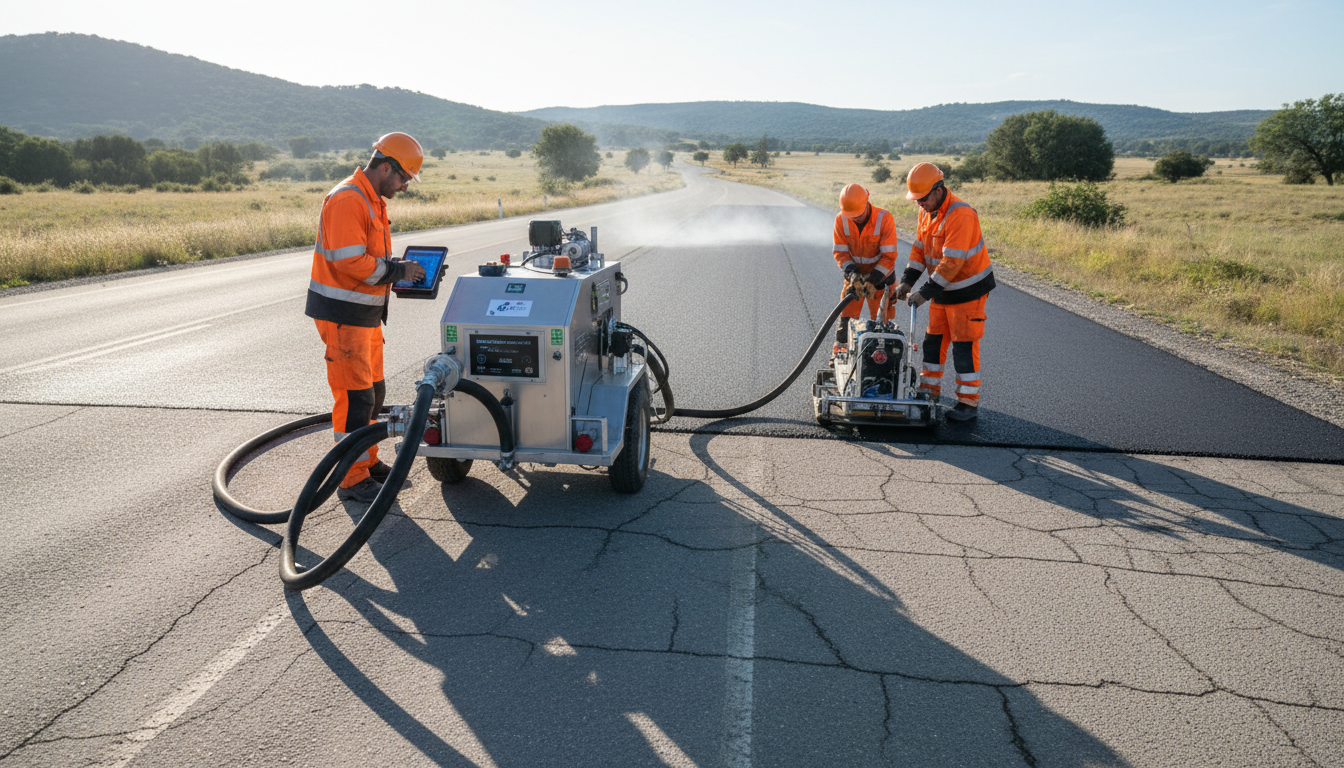
Eco-friendly asphalt is designed to minimize carbon emissions and energy consumption during production and application. This is achieved by using recycled materials, such as reclaimed asphalt pavement (RAP) and shingles, and incorporating warm-mix asphalt (WMA) technologies. These methods significantly reduce the need for new raw materials and lower temperatures during production.
Adopting these technologies not only helps in cutting down greenhouse gases but also reduces the urban heat island effect associated with traditional asphalt paving. As a result, communities experience more sustainable and comfortable environments.
Benefits of Sustainable Asphalt Solutions
Eco-friendly asphalt solutions offer numerous advantages beyond environmental sustainability. Here are some key benefits:
- Cost-Effectiveness: Using recycled materials and WMA can significantly cut costs in production and maintenance.
- Improved Performance: These materials often lead to more durable roads with enhanced resistance to weather and traffic.
- Reduced Resource Consumption: By recycling existing materials, the demand for new raw materials is minimized.

Challenges and Innovations
While the benefits are clear, the transition to eco-friendly asphalt is not without challenges. The initial investment for new technologies and the need for skilled labor can be barriers. However, innovations continue to emerge, making the process more accessible and efficient.
Researchers and industry leaders are collaborating to develop advanced solutions, such as bio-based binders and nano-enhanced materials, to further improve the sustainability and performance of asphalt.
Canadian Initiatives and Success Stories
Canada has been proactive in adopting eco-friendly asphalt practices. Several provinces have implemented policies encouraging the use of recycled materials and sustainable technologies in road construction projects.

For instance, Ontario has successfully integrated RAP into many of its roads, resulting in substantial cost savings and environmental benefits. Similarly, British Columbia's focus on warm-mix asphalt has led to reduced emissions and energy consumption.
The Future of Asphalt in Canada
The future of asphalt in Canada is undoubtedly green. With continuous advancements and increased awareness, eco-friendly asphalt is expected to become the norm. As technology evolves, the potential for even more sustainable solutions is immense, promising a brighter, greener future for Canada's infrastructure.
In conclusion, eco-friendly asphalt solutions represent a significant step forward in Canada's commitment to sustainability. By embracing these innovations, the country is paving the way for a more sustainable and resilient infrastructure.