
Eco-Friendly Asphalt Solutions in Canada: A Sustainable Choice for Vaughan


Introduction to Eco-Friendly Asphalt Solutions
The city of Vaughan, like many urban centers in Canada, is increasingly turning to sustainable practices to minimize environmental impact. One area that has seen significant innovation is the development of eco-friendly asphalt solutions. This approach not only reduces the carbon footprint but also offers a range of other benefits for infrastructure projects.
Traditional asphalt production and application can be resource-intensive and environmentally damaging. However, recent advancements have made it possible to create asphalt that is more sustainable and less harmful to the planet.

Benefits of Eco-Friendly Asphalt
Switching to eco-friendly asphalt solutions in Vaughan brings numerous advantages. Here are a few key benefits:
- Reduced Emissions: Modern production techniques lower greenhouse gas emissions.
- Energy Efficiency: New materials and methods require less energy during manufacturing and application.
- Recyclability: Many eco-friendly asphalt types utilize recycled materials, reducing waste and conserving resources.
These benefits make eco-friendly asphalt not just a trend, but a valuable investment in the future of urban infrastructure.
Innovative Materials and Techniques
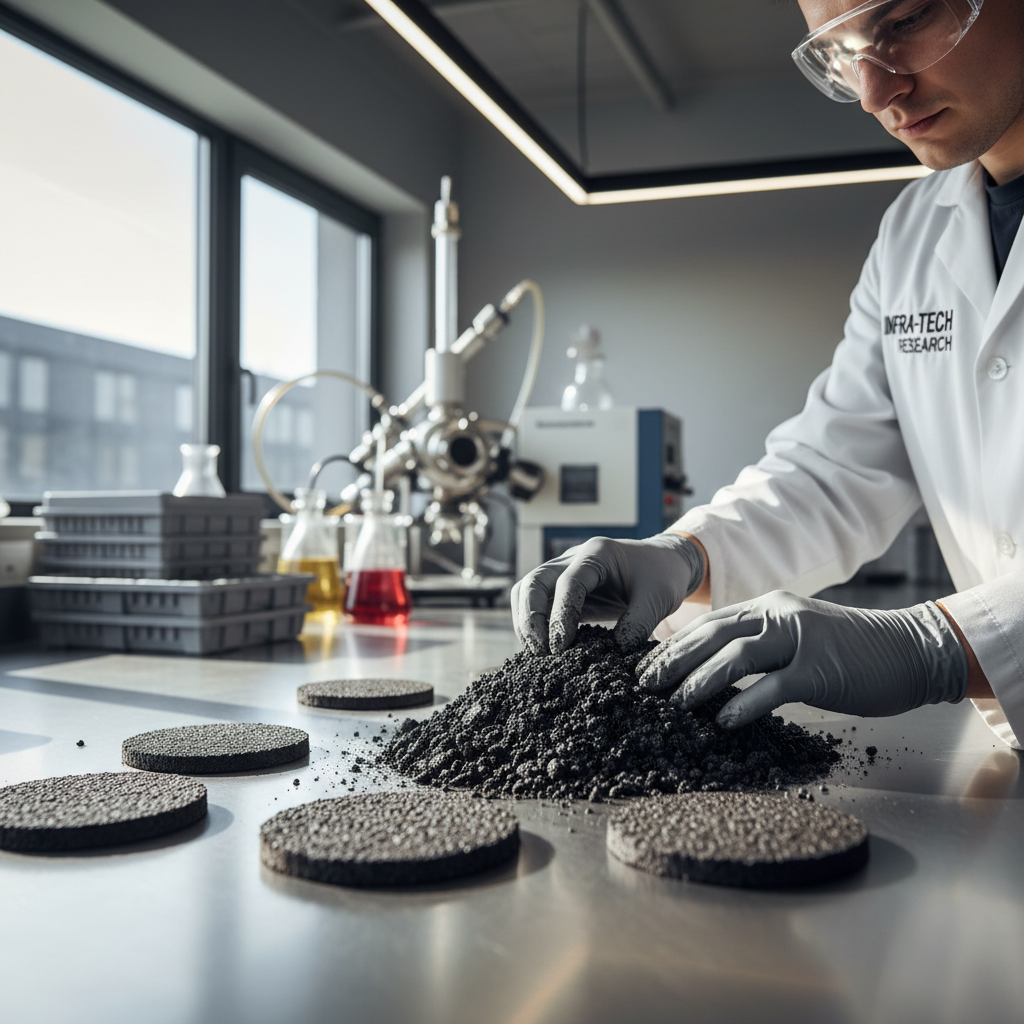
Advancements in technology have led to the development of innovative materials such as recycled asphalt pavement (RAP) and warm-mix asphalt (WMA). These materials are designed to be more environmentally friendly while maintaining the strength and durability required for Canadian climates.
Warm-mix asphalt, for example, can be produced at lower temperatures, significantly reducing energy consumption and emissions during the production process. Meanwhile, RAP involves reusing old asphalt, minimizing the need for new raw materials.
The Impact on Vaughan’s Infrastructure
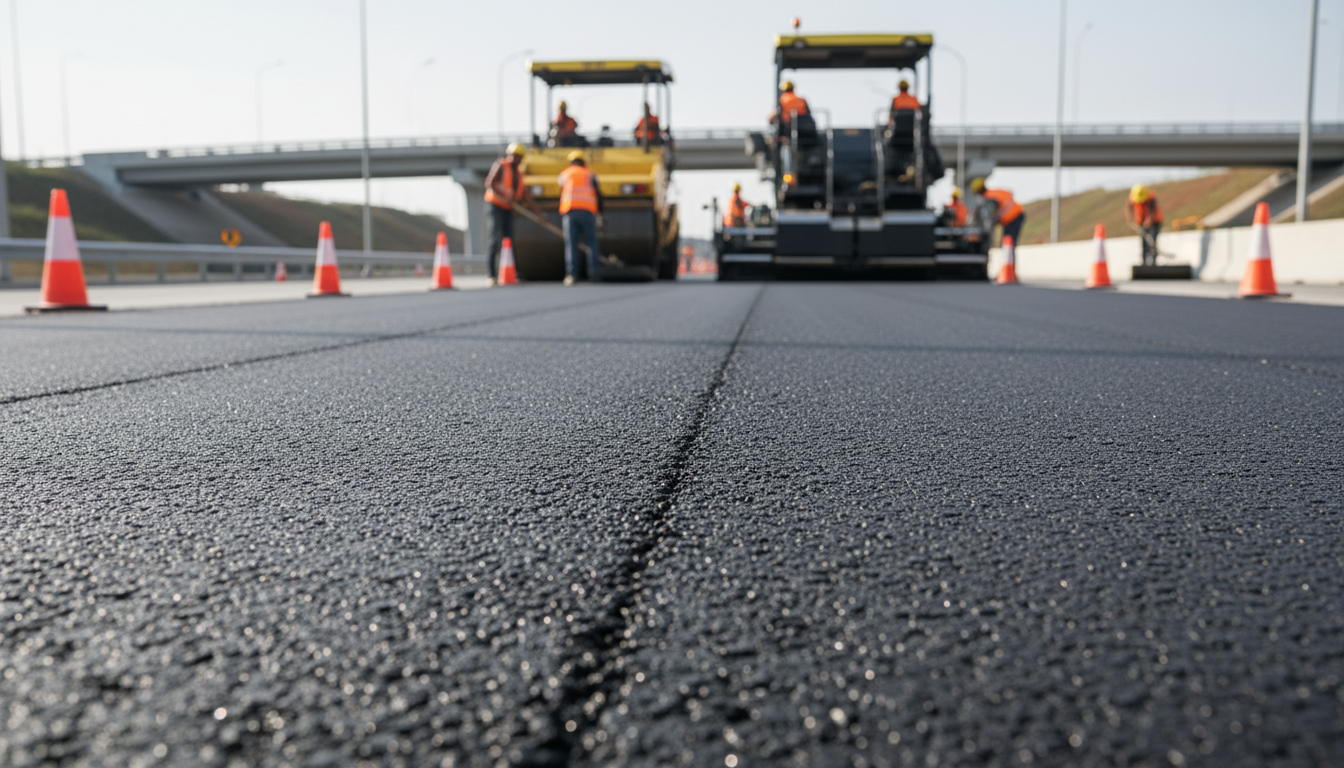
Incorporating eco-friendly asphalt solutions into Vaughan’s infrastructure projects ensures that roads are not only durable and reliable but also aligned with sustainable development goals. This approach supports the city’s commitment to reducing its ecological footprint and promoting environmental responsibility.
Local authorities and construction companies are increasingly recognizing the importance of adopting these innovative solutions, setting an example for other regions in Canada.
Challenges and Considerations
While the benefits are clear, there are challenges in implementing eco-friendly asphalt solutions. Initial costs can be higher, and there may be a learning curve for construction teams adapting to new materials and techniques. However, the long-term savings and environmental benefits often outweigh these initial hurdles.
Careful planning and collaboration between government, industry leaders, and communities are essential to overcome these challenges and ensure successful implementation.
Conclusion
The adoption of eco-friendly asphalt solutions in Vaughan represents a significant step towards a more sustainable future. By prioritizing environmentally responsible practices, the city can enhance its infrastructure while contributing to global efforts to combat climate change.
As these technologies continue to evolve, Vaughan and other Canadian cities have the opportunity to lead by example, demonstrating that sustainability and innovation can go hand in hand.