
Eco-Friendly Asphalt Solutions in Canada: Sustainable Paving Practices


Introduction to Eco-Friendly Asphalt
As urban areas expand and infrastructure demands grow, the need for sustainable paving solutions becomes increasingly important. In Canada, eco-friendly asphalt solutions are gaining traction as a viable option for reducing the environmental impact of traditional paving practices. These innovative techniques not only help reduce the carbon footprint but also contribute to longer-lasting roadways.

Benefits of Sustainable Paving
Eco-friendly asphalt solutions offer several benefits over traditional methods. First and foremost, they are designed to be more durable, which means fewer repairs and replacements over time. This reduces the overall consumption of resources. Additionally, sustainable paving practices often incorporate recycled materials, further minimizing environmental impact.
Moreover, eco-friendly asphalt can contribute to improved air quality. The use of materials that reduce emissions during production and laying processes plays a crucial role in mitigating pollution. This is particularly important in urban areas where air quality is a significant concern.
Recycled Materials in Asphalt
One of the key components of sustainable paving is the use of recycled materials. Reclaimed asphalt pavement (RAP) is commonly integrated into new asphalt mixtures. By recycling existing materials, the need for new raw materials is significantly reduced. This not only conserves resources but also decreases the energy required for production.
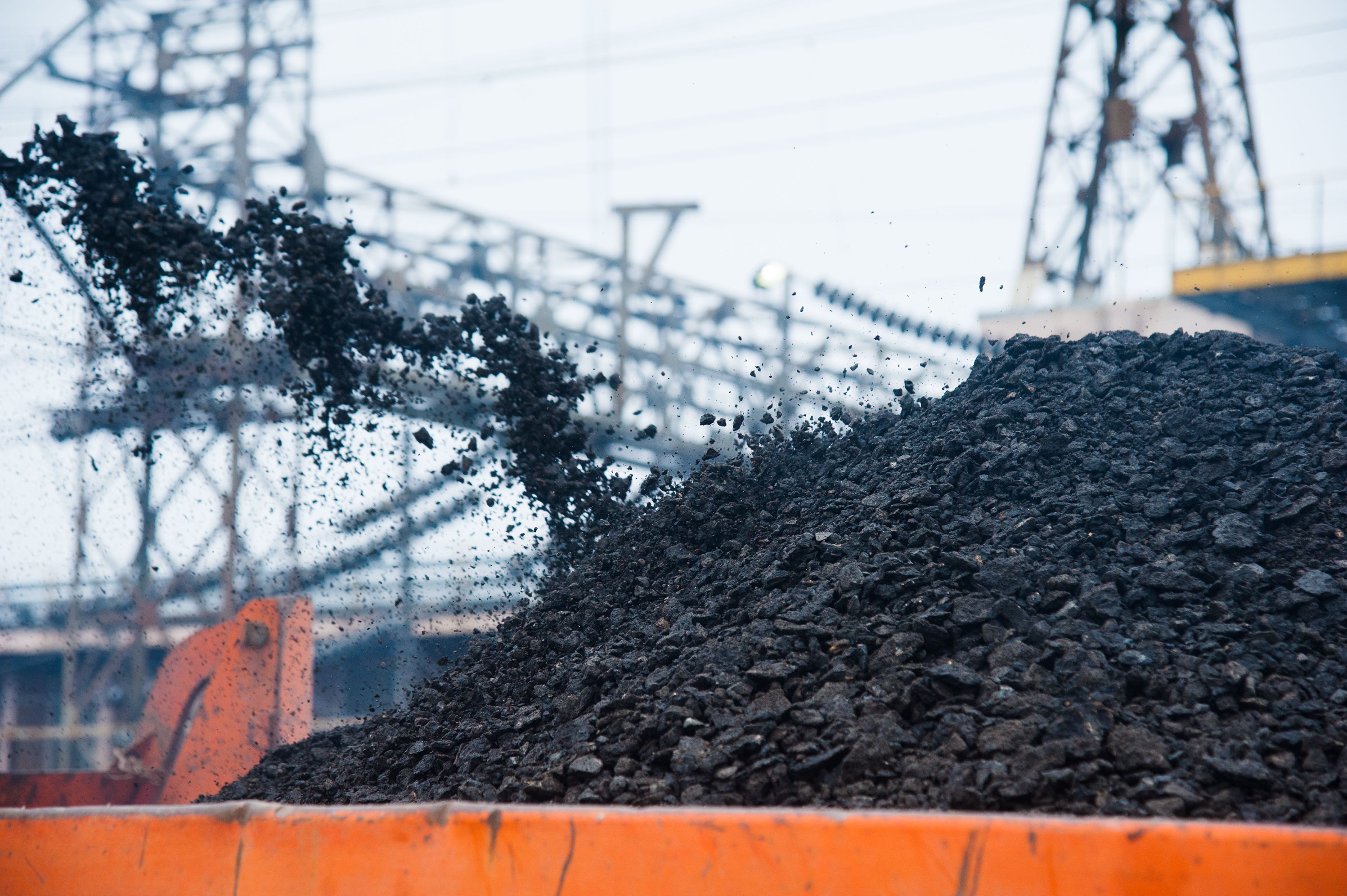
In addition to RAP, other materials such as recycled rubber and glass can be incorporated into asphalt mixtures. These materials enhance the asphalt's properties, making it more resilient to weather conditions and heavy traffic.
Innovative Techniques in Paving
Advancements in technology have led to the development of innovative paving techniques that further enhance the sustainability of asphalt. Warm mix asphalt (WMA) is a notable example. This technique involves producing asphalt at lower temperatures, which reduces energy consumption and emissions.
Another promising innovation is the use of porous asphalt. This type of asphalt allows water to drain through the surface, reducing runoff and improving drainage. It also helps mitigate the urban heat island effect, contributing to cooler urban environments.

Government Initiatives and Support
The Canadian government is actively supporting the transition to eco-friendly asphalt solutions. Various programs and incentives are available to encourage the adoption of sustainable paving practices. These initiatives not only promote environmental benefits but also support economic growth by creating jobs in the green technology sector.
Through collaboration with industry leaders and researchers, the government aims to drive innovation and establish Canada as a leader in sustainable infrastructure development.
Conclusion
Eco-friendly asphalt solutions are paving the way for a more sustainable future in Canada. By incorporating recycled materials, utilizing innovative techniques, and receiving government support, the paving industry is set to reduce its environmental impact significantly. As cities continue to grow, embracing these sustainable practices will be crucial in ensuring a greener, more resilient infrastructure for generations to come.