
How Long Does an Asphalt Driveway Last in Canadian Weather?


Understanding the Lifespan of Asphalt Driveways
Asphalt driveways are a popular choice for homeowners in Canada due to their durability and cost-effectiveness. However, the lifespan of an asphalt driveway can vary significantly depending on several factors, especially the harsh Canadian weather. On average, an asphalt driveway can last between 15 to 20 years, but this can be extended with proper maintenance.
Impact of Canadian Weather on Asphalt
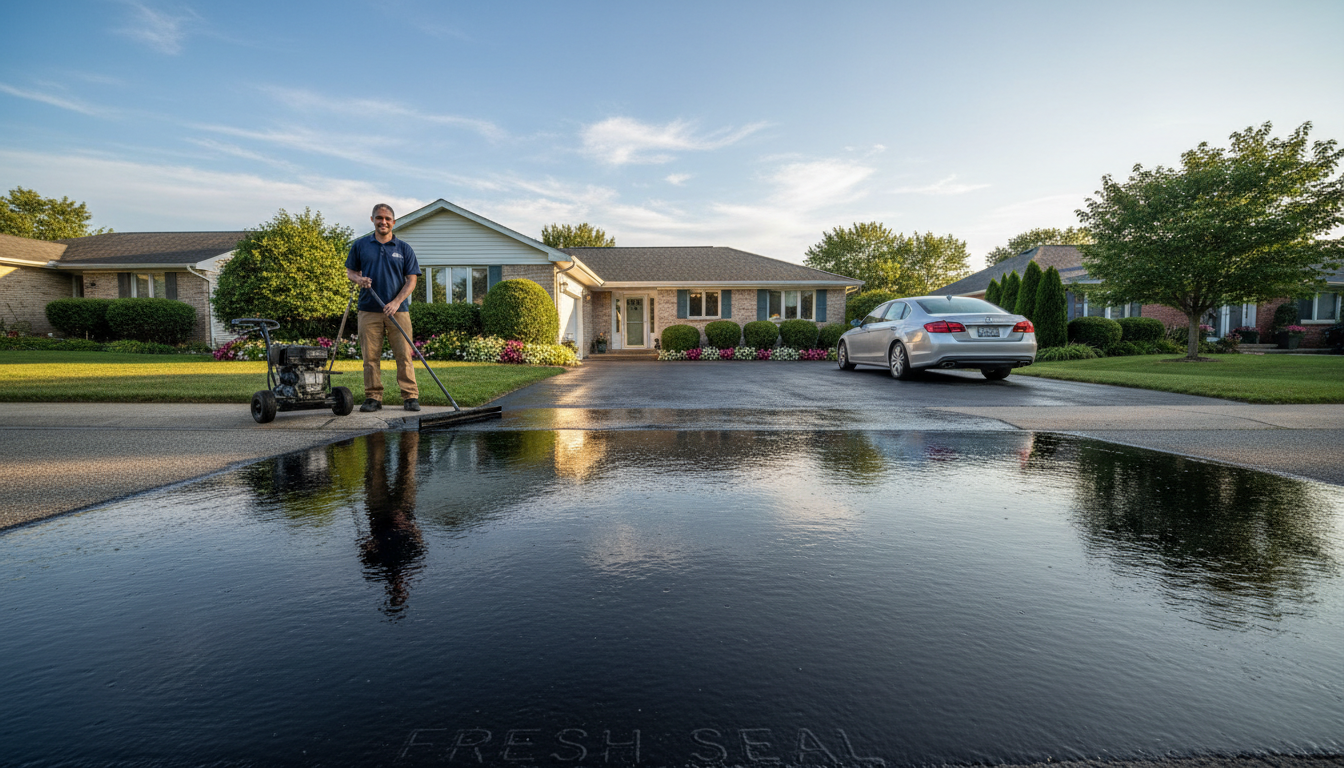
Canadian weather is known for its extreme conditions, from hot summers to freezing winters. These temperature fluctuations can cause the asphalt to expand and contract, leading to cracks and other damage over time. Ice and snow can also contribute to wear and tear, as water seeps into the cracks and freezes, expanding the gaps.
In regions with heavy snowfall, the use of snowplows can further exacerbate the wear on asphalt driveways. It's crucial to address any minor damages promptly to prevent them from becoming major issues.
Factors Influencing Driveway Longevity
Several factors can influence how long an asphalt driveway lasts. These include:
- Quality of Installation: A professionally installed driveway with a solid base and proper drainage will last longer.
- Maintenance Practices: Regular sealing and prompt repairs can significantly extend the life of the driveway.
- Traffic Load: Driveways that support heavy vehicles or frequent traffic may wear out faster.
Maintenance Tips for Longevity
To ensure your asphalt driveway withstands the challenges of Canadian weather, consider the following maintenance tips:
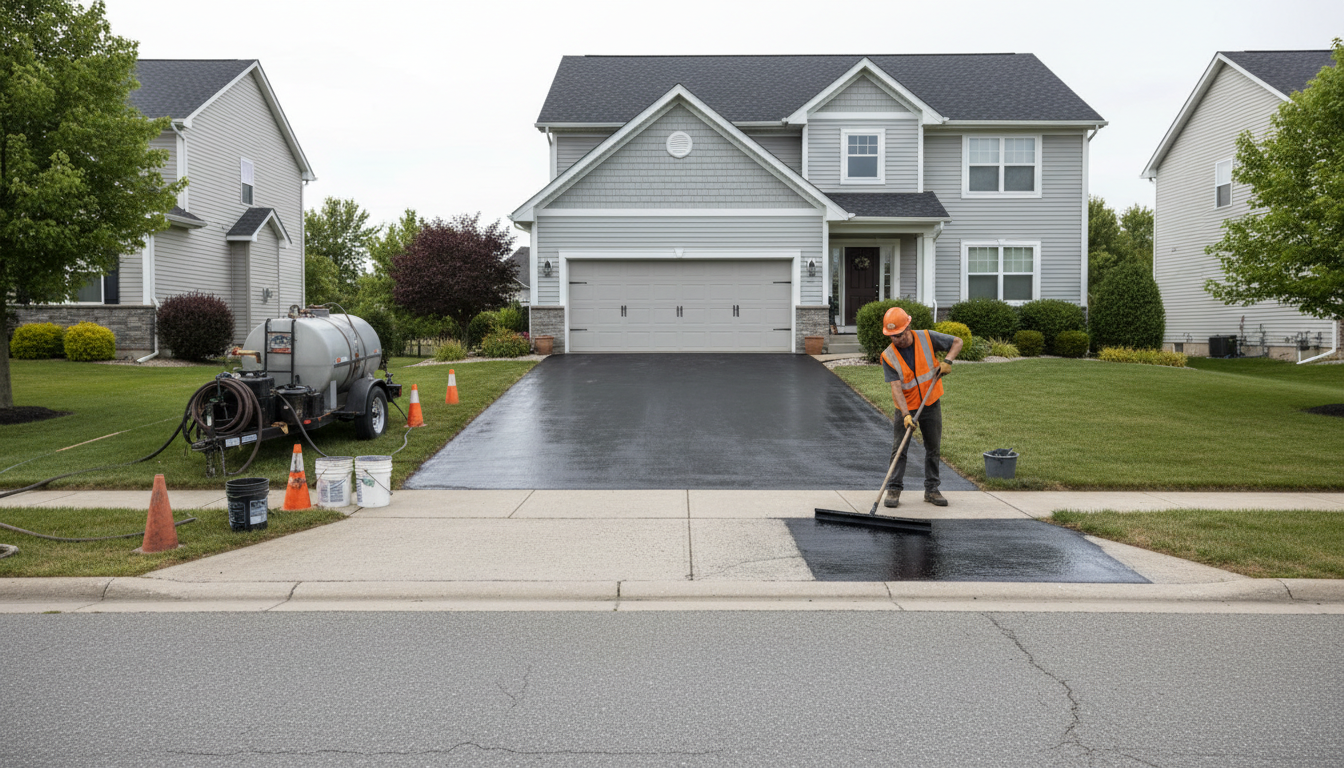
- Sealcoat your driveway every 2-3 years to protect against moisture and UV rays.
- Fill cracks and patch potholes as soon as they appear to prevent further damage.
- Keep the driveway clean from debris and chemical spills that can degrade the asphalt.
Regular inspections, especially after winter, will help you catch any issues early and address them promptly.
When to Consider Replacement
Despite the best maintenance efforts, there will come a time when replacement is necessary. Signs that it might be time to replace your driveway include extensive cracking, drainage issues, and a crumbling surface. If repairs become too frequent or costly, replacement might be the more economical choice in the long run.

Conclusion
Understanding the factors that affect the lifespan of an asphalt driveway in Canada can help homeowners make informed decisions about installation, maintenance, and replacement. By taking proactive steps, you can ensure your driveway remains in excellent condition for many years, despite the challenges posed by Canadian weather.