
How to Maintain Your Asphalt Driveway in Vaughan's Harsh Winters


Understanding Asphalt Driveway Challenges in Winter
Asphalt driveways in Vaughan face unique challenges during the harsh winter months. The combination of freezing temperatures, snow, and ice can cause significant wear and tear if not properly managed. Understanding these challenges is the first step in maintaining your driveway.
One of the main issues is the expansion and contraction of asphalt due to temperature fluctuations. This can lead to cracks and potholes, which become worse when water seeps in and freezes. Taking proactive steps can help mitigate these effects.

Regular Snow Removal
Keeping your driveway clear of snow is crucial. Use a plastic shovel instead of a metal one to avoid scratching the surface. For larger areas, consider using a snowblower. Regular removal prevents snow from turning into ice, which can be more damaging.
When ice does form, avoid using harsh chemical de-icers, which can damage asphalt. Instead, opt for sand or a salt-free ice melt that is safe for asphalt surfaces.
Sealcoating for Protection
Sealcoating your driveway provides an extra layer of protection against the elements. It helps prevent water from penetrating the surface, reducing the risk of cracks and potholes. Ideally, sealcoating should be done every two to three years.
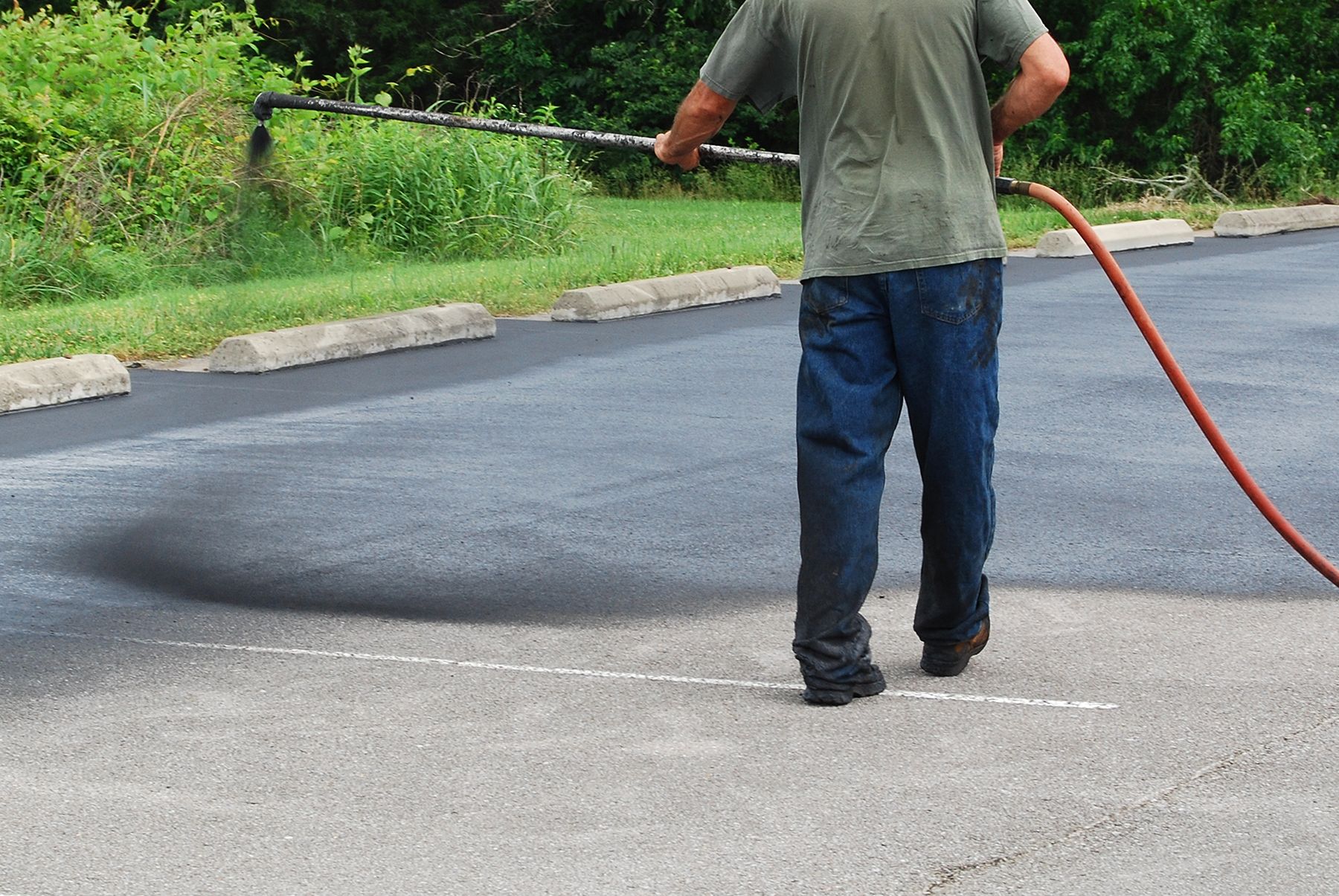
If you haven’t sealcoated before winter, plan to do so in the spring to prepare for the next cold season. This preventive measure can significantly extend the lifespan of your driveway.
Repairing Cracks and Potholes
Even with the best care, cracks and potholes may still appear. It's important to address these as soon as possible to prevent further damage. Use a cold asphalt patch for quick repairs during winter, and plan for more permanent fixes in the warmer months.
Regularly inspect your driveway for any signs of damage and take immediate action to maintain its integrity.
Proper Drainage Management
Ensuring proper drainage is essential to prevent water accumulation on your driveway. Water that pools can freeze, leading to a slippery surface and potential damage. Make sure gutters and downspouts direct water away from the driveway.
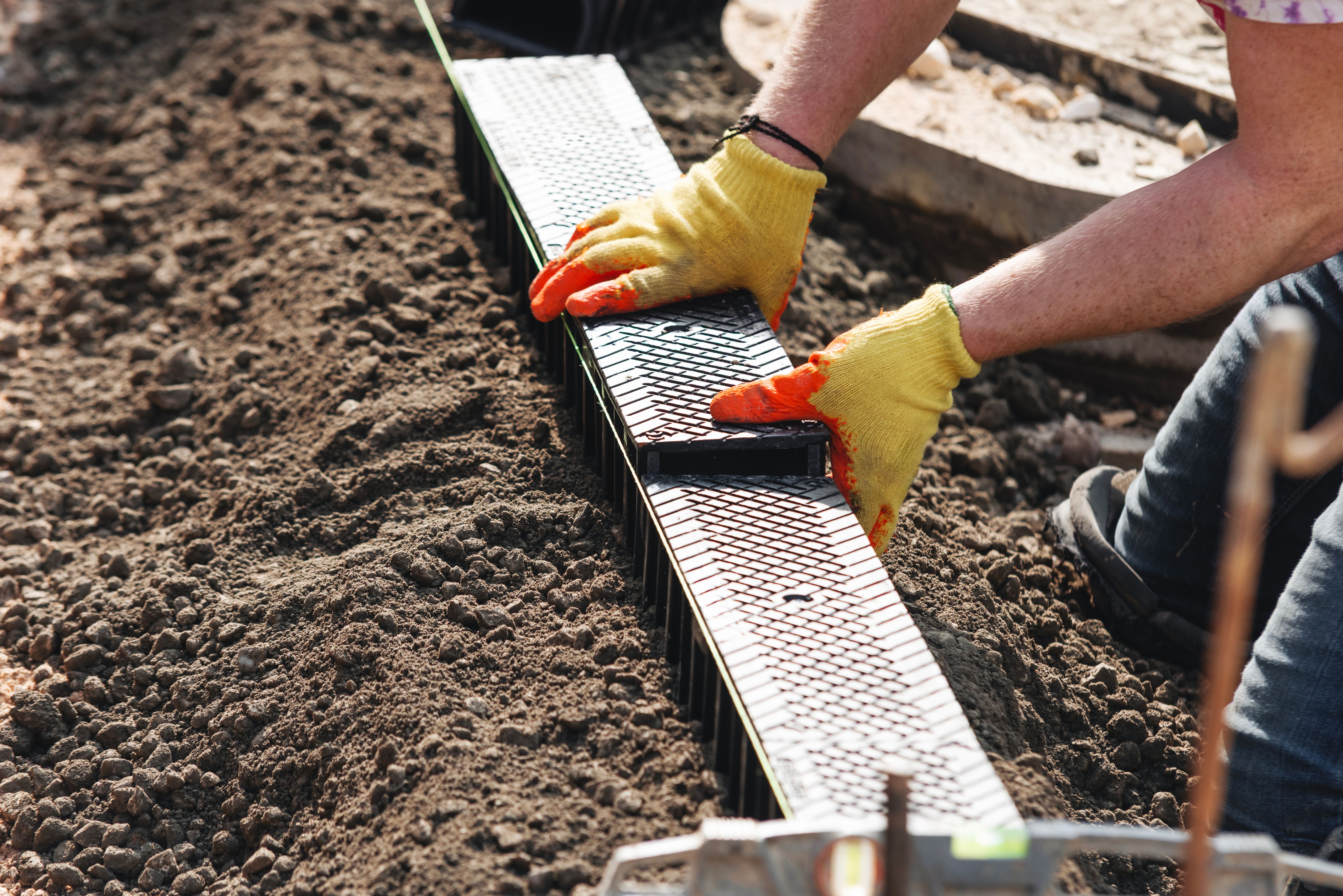
Consider installing a drainage system if water tends to collect on your driveway. This can reduce the risk of ice formation and subsequent asphalt deterioration.
Conclusion
Maintaining your asphalt driveway during Vaughan's harsh winters requires diligence and proactive care. By following these tips—regular snow removal, sealcoating, prompt repairs, and managing drainage—you can keep your driveway in excellent condition, ensuring it lasts for many years to come.
Investing time and effort into maintenance not only enhances the appearance of your property but also prevents costly repairs in the future.