
Preparing Your Asphalt Driveway for Winter: Expert Tips


Inspect Your Driveway
As winter approaches, it's crucial to inspect your asphalt driveway for any signs of wear and tear. Look for cracks, potholes, and any other damages that could worsen with cold weather. Addressing these issues early can prevent further deterioration and costly repairs.
Start by walking the entire length of your driveway, making note of any areas that need attention. It's also wise to check for drainage issues that could lead to water pooling. Standing water can seep into cracks and freeze, causing expansion and more damage.

Repair Cracks and Potholes
Once you've identified problem areas, the next step is to repair them. Fill small cracks with a suitable asphalt crack filler. For larger cracks and potholes, you may need a patching product. It's important to clean the area thoroughly before applying any filler or patch to ensure proper adhesion.
If you're not comfortable doing this yourself, consider hiring a professional. Proper repair will not only improve the appearance of your driveway but also extend its lifespan.
Sealcoat Your Driveway
Sealing your driveway adds a protective layer to the asphalt, helping to ward off moisture and the harmful effects of freeze-thaw cycles. Apply a quality sealant before the temperatures drop too low. This not only protects the surface but also gives your driveway a fresh, polished look.
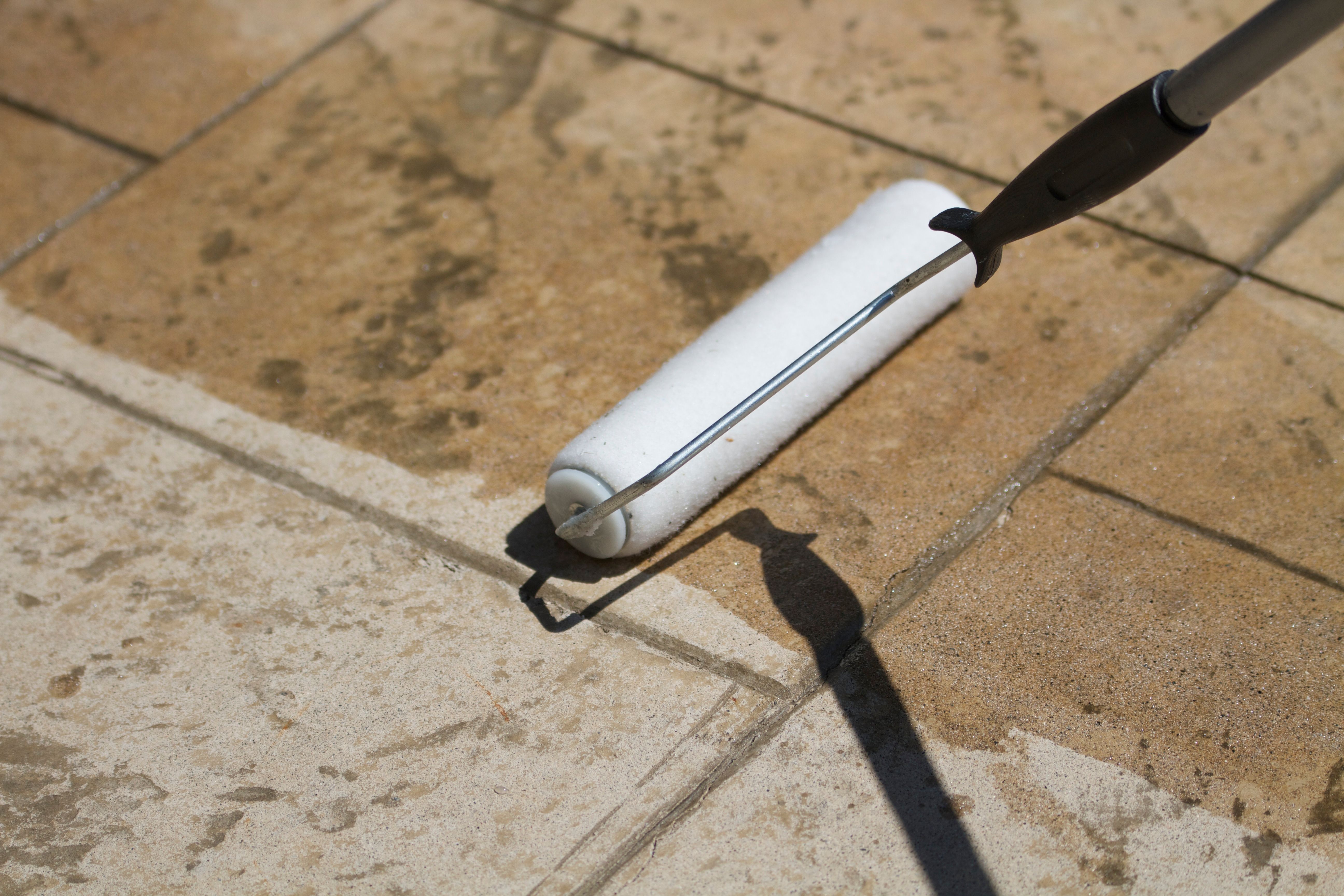
When applying sealant, make sure the weather conditions are suitable, typically a dry day with temperatures above 50°F. Follow the manufacturer's instructions for the best results, and avoid driving on the surface until the sealant is fully cured.
Ensure Proper Drainage
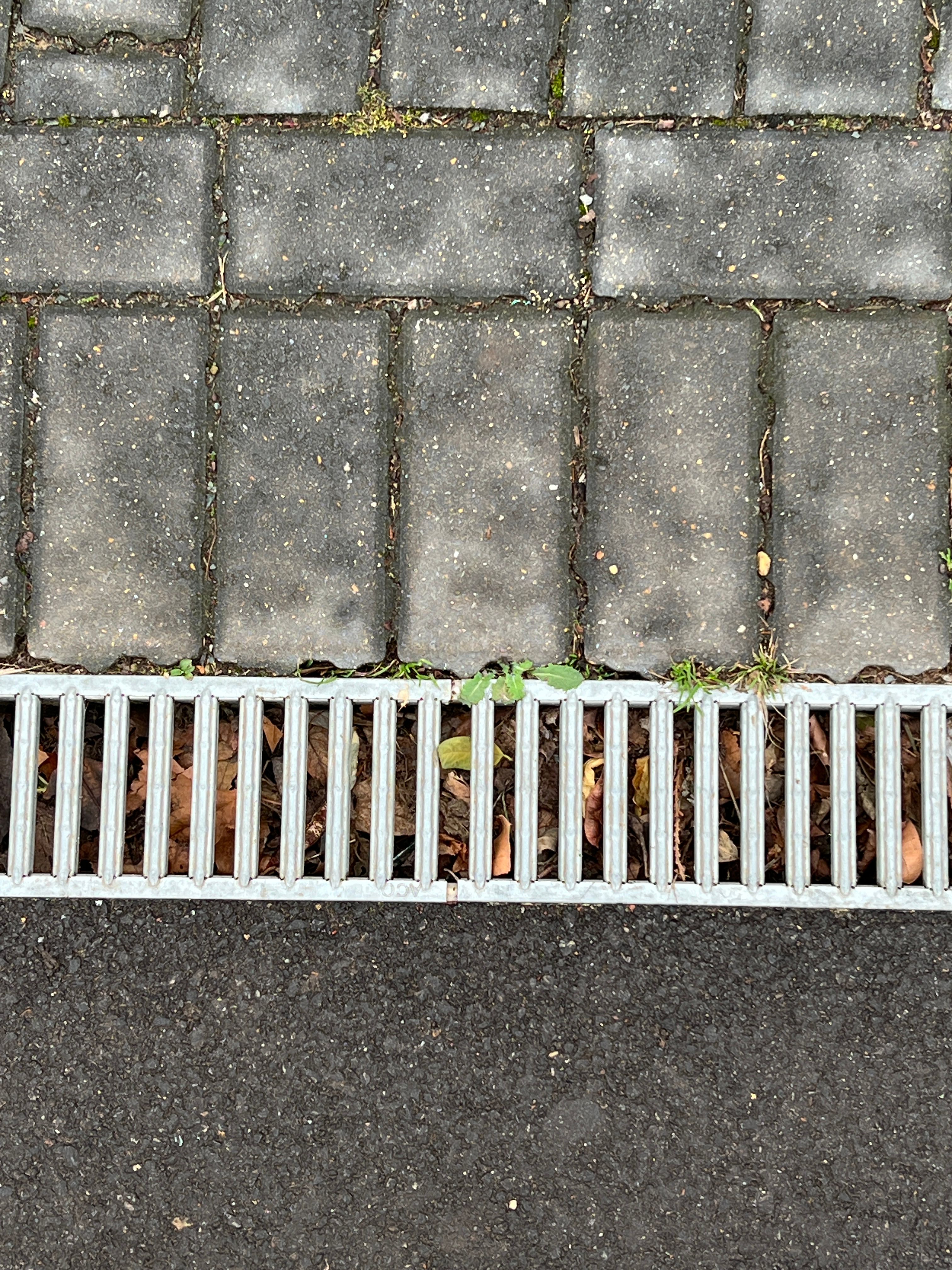
Effective drainage is essential in preventing water from pooling on your driveway. Check the slopes and edges to ensure water flows away from the surface. If necessary, adjust the grading or add drainage solutions like trenches or channels.
Blocked gutters and downspouts can also lead to water accumulation. Regularly clean these areas to ensure they direct water away from your driveway.
Regular Maintenance Tips
Finally, maintain your driveway regularly throughout the winter months. Remove snow promptly using a plastic shovel to avoid scratching the surface. If you use a snowblower, ensure its blades are set high enough not to scrape the asphalt.
In icy conditions, opt for safe de-icing products that won't damage the asphalt. Avoid using salt, which can be corrosive. Instead, consider sand or a commercial de-icer that's asphalt-friendly.
By taking these steps, you'll help protect your asphalt driveway from the harsh winter elements, ensuring it remains in excellent condition for years to come.