
Preparing Your Asphalt Driveway for Winter: Seasonal Tips for Vaughan Residents


Inspect Your Driveway for Damage
As winter approaches, it's essential to inspect your asphalt driveway for any signs of damage. Cracks and potholes can worsen with freezing temperatures and snow. Look for any visible damage and address these issues before the cold weather sets in. Repairing small cracks now can prevent larger, more costly repairs in the future.

Consider hiring a professional to assess the condition of your driveway if you're unsure about what to look for. They can provide expert advice on necessary repairs and maintenance to ensure your driveway is ready for winter.
Seal Coating for Protection
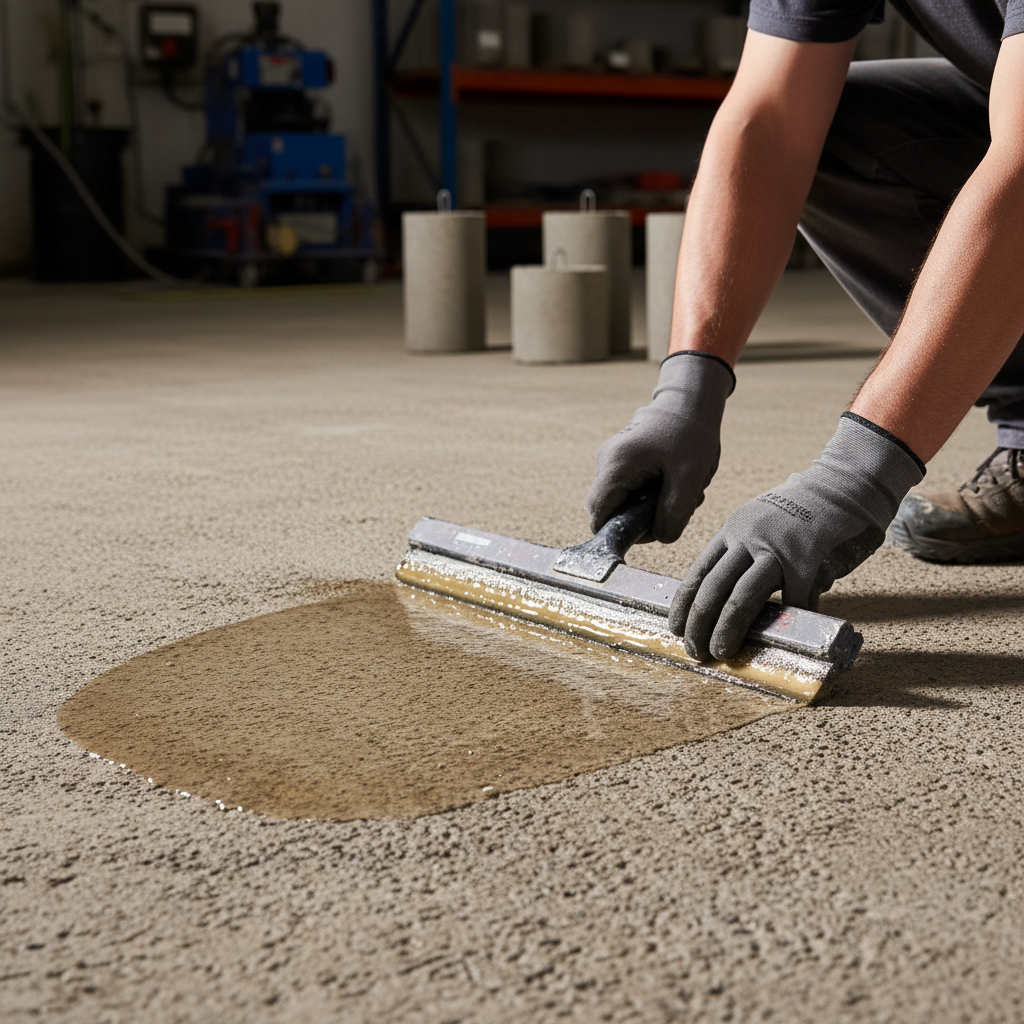
One of the most effective ways to protect your asphalt driveway from winter damage is by applying a seal coat. Seal coating acts as a barrier against moisture, snow, and ice, which can seep into cracks and cause further damage. It's best to apply the seal coat during the fall when the weather is still mild.
If you haven't seal coated your driveway in a while, now is a good time to do so. A fresh layer of sealant not only extends the life of your driveway but also enhances its appearance.
DIY vs. Professional Application
While some homeowners choose to apply seal coat themselves, hiring a professional can ensure a more even and durable application. Professionals have the right tools and expertise to complete the job efficiently, saving you time and effort.
Keep Your Driveway Clean
Before the snow falls, make sure to thoroughly clean your driveway. Remove any debris, leaves, or dirt that might have accumulated. A clean surface helps the sealant adhere better and reduces the risk of staining over the winter months.
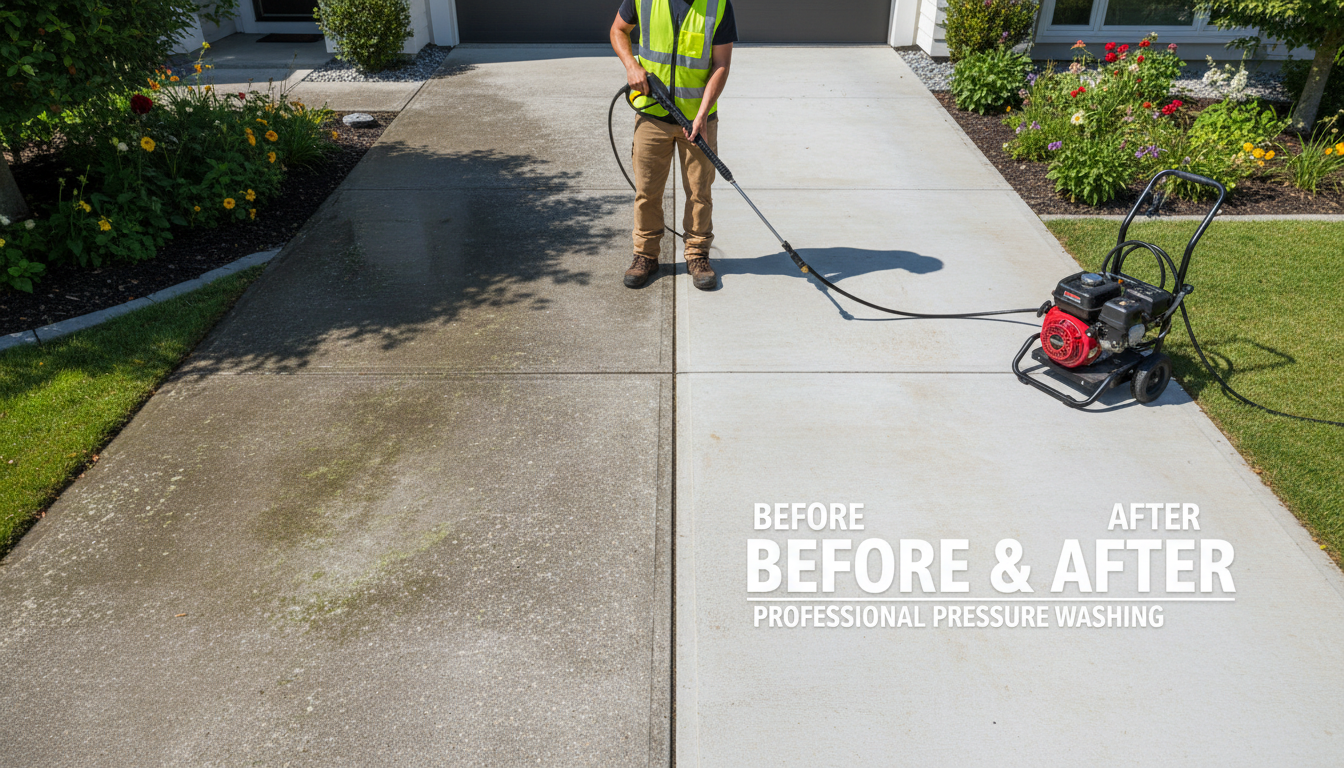
Regular cleaning throughout winter is also important. Removing snow and ice promptly prevents moisture from seeping into the asphalt and causing damage. Use a plastic shovel instead of a metal one to avoid scratching the surface.
Consider Drainage Solutions
Proper drainage is crucial for preventing water accumulation on your driveway. Ensure that gutters and downspouts are clear of debris to direct water away from the driveway. If necessary, install additional drainage solutions to keep water from pooling on the surface.
Monitoring drainage during winter can help you identify potential problems early. Addressing these issues promptly can prevent damage and maintain the integrity of your driveway throughout the season.
Final Winter Preparations
As you finalize preparations, consider using sand or kitty litter for traction instead of salt. Salt can cause further deterioration of the asphalt, especially if there are existing cracks. Keeping a supply of these materials on hand can help you manage icy conditions safely.
By taking these proactive steps, Vaughan residents can ensure their asphalt driveways are well-prepared for the winter months, minimizing damage and extending the life of the pavement.